Exploring Air Conditioning Repair Costs
Diving into the realm of air conditioning repair costs, this introduction sets the stage for an in-depth exploration of the factors, average costs, DIY vs. professional repair comparisons, and tips for minimizing expenses. The narrative style is engaging and informative, drawing readers in right from the start.
Providing a comprehensive overview of the intricacies involved in air conditioning repair costs, this content aims to enlighten readers on the various aspects to consider when faced with AC repair issues.
When it comes to air conditioning repair, several factors can influence the overall cost of the service. Understanding these factors can help you anticipate potential expenses and make informed decisions regarding your repair needs.
The specific type of repair required for your air conditioning unit can significantly impact the cost. Simple repairs such as replacing a capacitor or cleaning the coils may be less expensive compared to more complex issues like compressor replacements or refrigerant leaks.
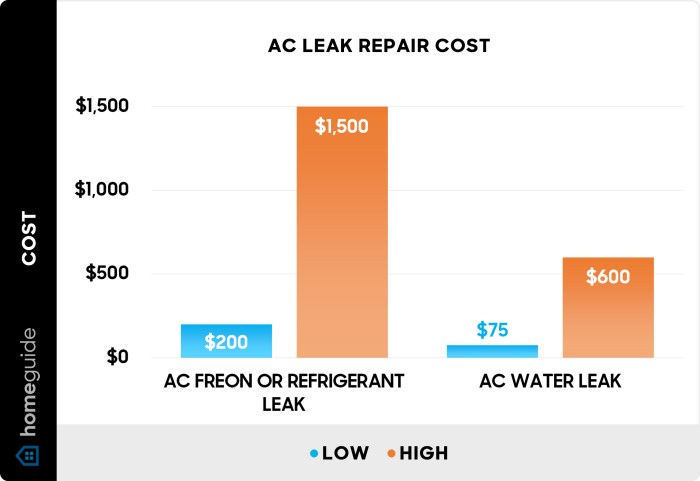
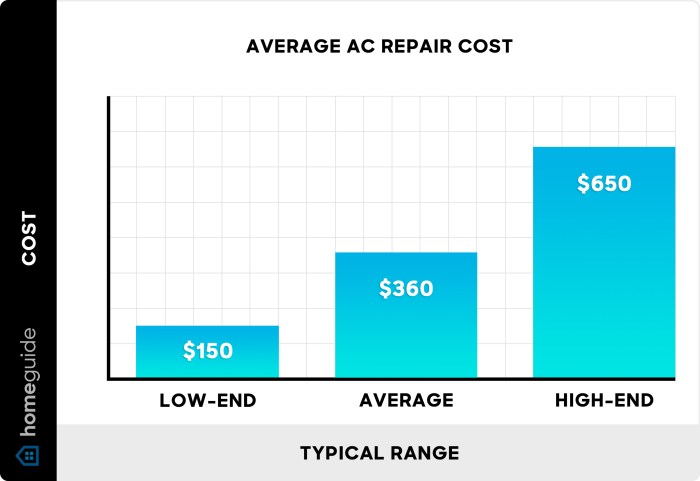
For example, replacing a faulty capacitor may cost around $150-$350, while fixing a refrigerant leak can range from $200-$1,500, depending on the extent of the damage.
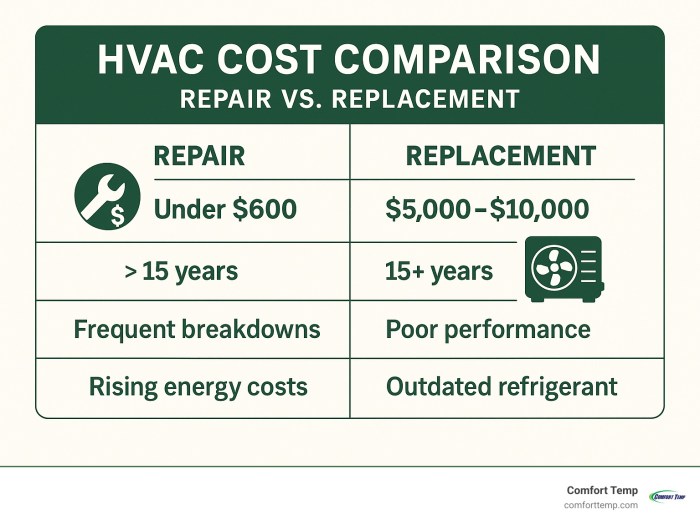
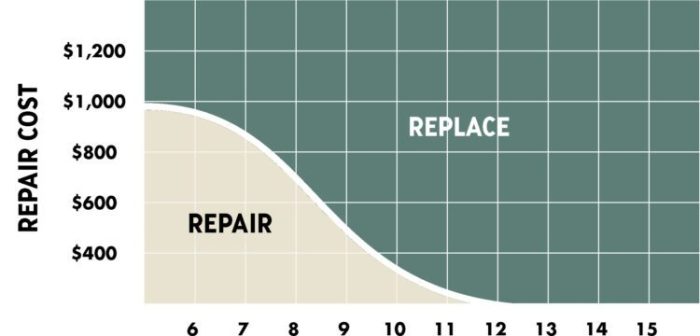
The age and overall condition of your air conditioning unit can also affect repair costs. Older units or units that have not been properly maintained may require more extensive repairs and replacement parts, ultimately increasing the overall repair expenses. For instance, replacing a worn-out compressor in an older unit can cost between $600-$1,200, whereas a newer unit may only require a repair costing $300-$600.
The time of year can also influence air conditioning repair costs, as peak seasons with high demand for repair services may result in higher prices. During the summer months when air conditioning units are in constant use, repair costs may escalate due to increased demand for technicians and parts.
Planning repairs during the off-season or scheduling regular maintenance can help avoid peak pricing and reduce overall expenses.
The accessibility of your air conditioning unit and its location can impact repair costs. Units that are difficult to access or located in hard-to-reach areas may require more labor and time to complete repairs, leading to higher service charges. Additionally, the location of your home can also affect repair costs, as service providers may charge extra for travel time and mileage.
The rates and experience of the HVAC contractor you choose for the repair can influence the overall cost. Established and reputable contractors may charge higher rates for their services, but they often provide quality workmanship and reliable repairs. On the other hand, hiring a less experienced or unlicensed contractor at a lower rate may result in subpar repairs and potential safety risks, ultimately costing more in the long run.
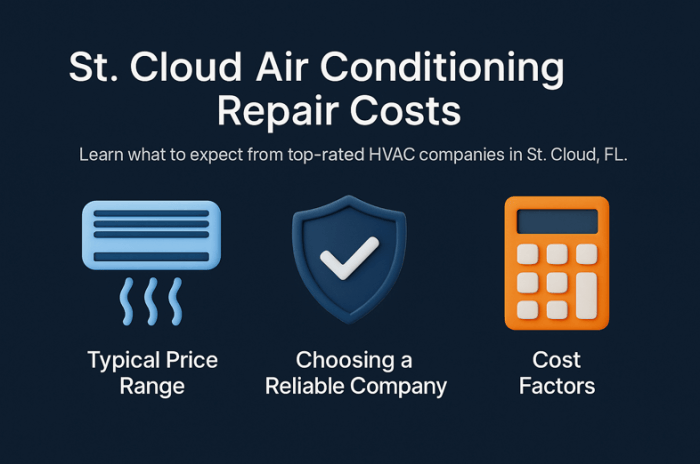
When it comes to common air conditioning repairs, the costs can vary depending on the type of repair needed. Here, we will discuss the typical costs associated with common AC repairs such as refrigerant recharge, compressor replacement, and capacitor repair, comparing and contrasting the pricing of different repair types while providing a breakdown of costs for parts and labor for each repair type.
Recharging the refrigerant in your air conditioning system is a common repair that may be needed to ensure proper cooling. The average cost for a refrigerant recharge ranges from $150 to $350. This cost includes both the refrigerant itself and the labor involved in refilling the system.
If your AC compressor is malfunctioning or failing, it may need to be replaced. The average cost for compressor replacement typically ranges from $1,200 to $2,800. This cost includes the price of the new compressor and the labor required for installation.
The capacitor in your air conditioner helps start the compressor and fan motors. If the capacitor is faulty, it can cause your AC to malfunction. The average cost for capacitor repair ranges from $100 to $400, including the cost of the new capacitor and the labor involved in replacing it.Overall, the cost of common air conditioning repairs can add up depending on the type of repair needed.
It’s important to address any issues with your AC promptly to avoid further damage and higher repair costs in the long run.
When it comes to air conditioning repairs, deciding between a do-it-yourself (DIY) approach or hiring a professional can have significant cost implications. Let’s delve into the factors that can influence the costs associated with each option.
Quality of repair work can significantly impact long-term costs associated with air conditioning repairs. A well-executed repair by a professional can ensure the system operates efficiently, reducing energy consumption and minimizing the need for frequent repairs. On the other hand, DIY repairs that are not done correctly can lead to recurring issues, ultimately costing more in the long run.
When it comes to minimizing air conditioning repair expenses, there are several strategies that homeowners can implement. By proactively taking care of your AC unit, you can reduce the likelihood of costly repairs and save money in the long run.
Regular servicing not only helps keep your air conditioning unit in good working condition but also allows for the early identification of any potential issues. By catching problems early on, you can address them before they escalate into costly repairs.
Investing in routine maintenance can ultimately save you money by preventing major breakdowns and prolonging the lifespan of your AC system.
In conclusion, understanding the factors influencing air conditioning repair costs, knowing the average costs of common repairs, weighing the pros and cons of DIY versus professional repairs, and implementing cost-saving tips can all contribute to a well-informed approach towards managing AC repair expenses.
This discussion sheds light on the importance of being proactive in maintaining air conditioning systems to avoid unexpected financial burdens.
What factors can influence air conditioning repair costs?
Factors like the type of repair needed, the age of the system, and the availability of parts can all impact repair costs.
How can homeowners lower air conditioning repair costs?
Regular maintenance, timely repairs, and prompt identification of issues can help minimize repair expenses in the long run.
Is it better to attempt DIY repairs or hire a professional for air conditioning issues?
While DIY repairs can save money in some cases, complex issues are best left to professionals to avoid costly mistakes.