Siding Product Comparison: A Comprehensive Guide
Siding in construction refers to the material applied to the exterior walls of a building to protect it from the elements and enhance its appearance. Choosing the right siding is crucial for both functional and aesthetic reasons.
Various materials are utilized in siding products, each with its own set of advantages and considerations:
When selecting siding for a construction project, it’s essential to take the following factors into account:
When considering siding options for your home, two popular choices are vinyl siding and fiber cement siding. Each type has its own set of characteristics, durability, maintenance requirements, and cost considerations. Let’s delve into a comparison of these two siding materials to help you make an informed decision for your home.
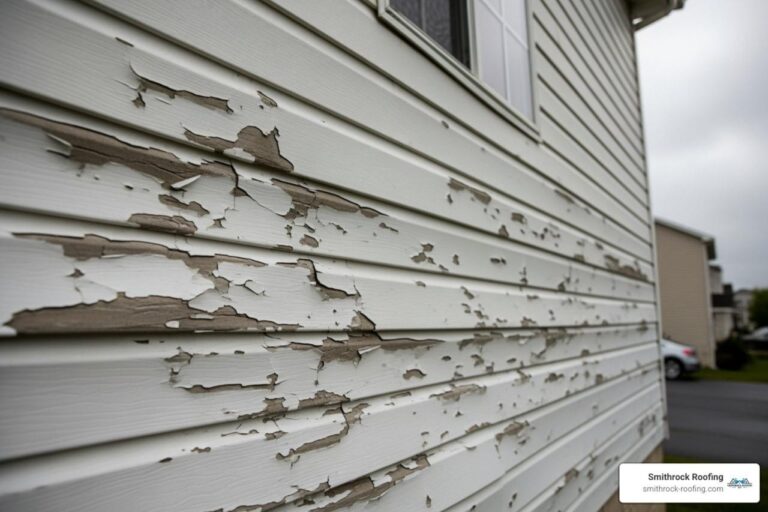
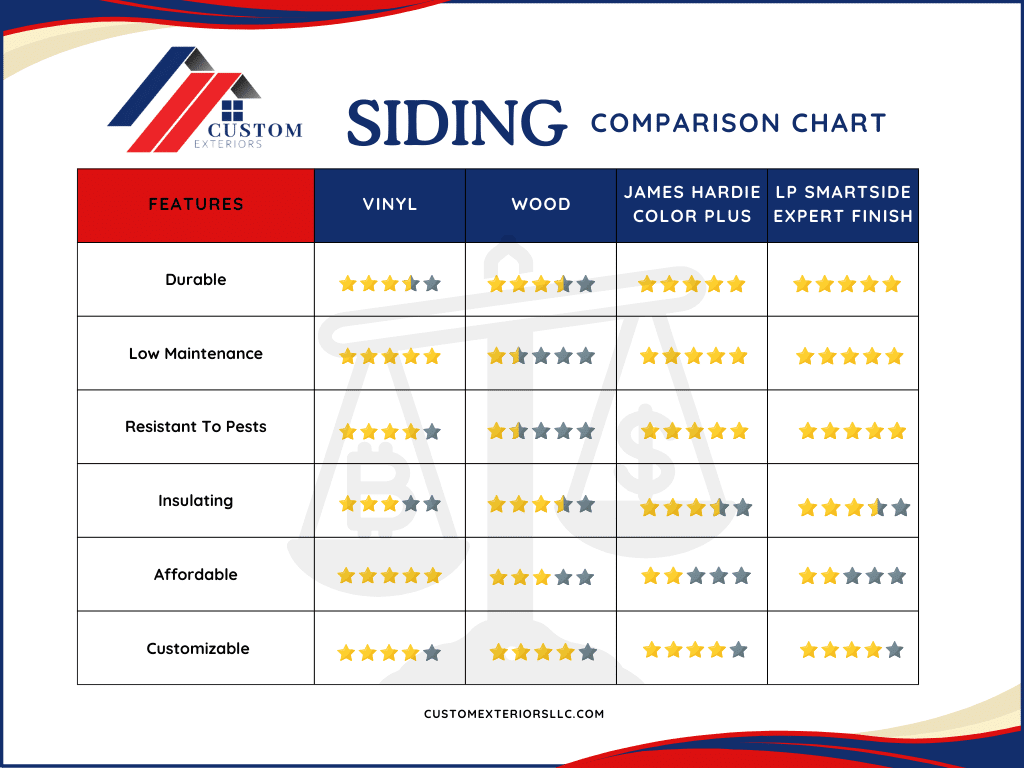
Vinyl siding is known for being less durable compared to fiber cement siding. It can crack in extreme weather conditions, leading to potential costly repairs. On the other hand, fiber cement siding is highly durable and can withstand various elements such as rot, fire, and pests.
This durability factor makes fiber cement siding a long-term investment for your home.
When it comes to maintenance, vinyl siding requires occasional cleaning to maintain its appearance. Over time, vinyl siding may fade and need to be replaced. In contrast, fiber cement siding is low maintenance and typically only requires periodic painting to keep it looking fresh.
While fiber cement siding may have a higher initial cost, the savings on maintenance in the long run make it a cost-effective choice.
In terms of cost, vinyl siding is generally more affordable upfront compared to fiber cement siding. However, it’s essential to consider the long-term maintenance costs associated with each type. While fiber cement siding may have a higher initial cost, the minimal maintenance requirements can result in cost savings over time.
Ultimately, the decision between vinyl siding and fiber cement siding will depend on your budget, preferences, and long-term goals for your home.

Wood siding and metal siding are popular choices for homeowners looking to enhance the exterior of their homes. Let’s compare the aesthetic appeal, environmental impact, installation process, and popular materials used in wood siding and metal siding.
When it comes to aesthetic appeal, wood siding offers a warm, natural look that adds a classic touch to any home. The various grains and textures of wood can create a cozy and inviting feel. On the other hand, metal siding provides a modern and sleek appearance with a wide range of color options.
It can give a contemporary look to the house with a more industrial feel.
Wood siding is a renewable resource and biodegradable, making it an environmentally friendly choice. However, the harvesting and processing of wood can have negative impacts on forests if not done sustainably. Metal siding, on the other hand, is recyclable and can be made from recycled materials, reducing its environmental footprint.
Both materials have their environmental pros and cons.
The installation process for wood siding involves cutting, fitting, and fastening the wood planks to the exterior of the house. It requires more maintenance over time, such as staining or painting to protect it from the elements. Metal siding, on the other hand, is lightweight and easier to install, often coming in large panels that can be quickly attached to the home.
It requires less maintenance but may be prone to denting or scratching.
Some popular wood species used in siding products include cedar, pine, and redwood. These woods are known for their durability and natural resistance to decay and insects. For metal siding, common types include aluminum, steel, and corrugated metal. Each metal type offers different benefits in terms of strength, longevity, and cost.
When it comes to siding products, finishes and textures play a crucial role in determining the overall aesthetics and maintenance requirements of a building. Understanding the different options available can help you make an informed decision based on your specific needs and preferences.
A smooth finish is sleek and modern, providing a clean look to the building exterior. It is relatively easy to clean and maintain, making it a popular choice for contemporary architectural styles.
Textured finishes add depth and visual interest to the siding, mimicking the look of natural materials like stone or brick. While they can enhance the overall appeal of a building, textured finishes may require more maintenance to keep clean.
A wood-grain finish replicates the look of real wood siding but without the maintenance requirements. It offers a warm and inviting aesthetic, perfect for traditional or rustic architectural styles.
When selecting a siding finish, consider the architectural style of your building. For modern designs, smooth finishes are ideal, while traditional or rustic styles may benefit from wood-grain textures. Textured finishes can add character to any architectural style but may require more upkeep.
What are the key factors to consider when choosing siding for a construction project?
Consider factors like durability, maintenance requirements, aesthetic appeal, and cost when selecting siding for your project.
How do different siding finishes impact the overall look of a building?
Different finishes like smooth, textured, or wood-grain can drastically alter the appearance of a building, influencing its visual appeal.
Which popular wood species and metal types are commonly used in siding products?
Popular wood species include cedar, pine, and redwood, while common metal types used in siding products are aluminum and steel.