Vinyl vs Aluminum Windows: Which is Better for Thermal Insulation?
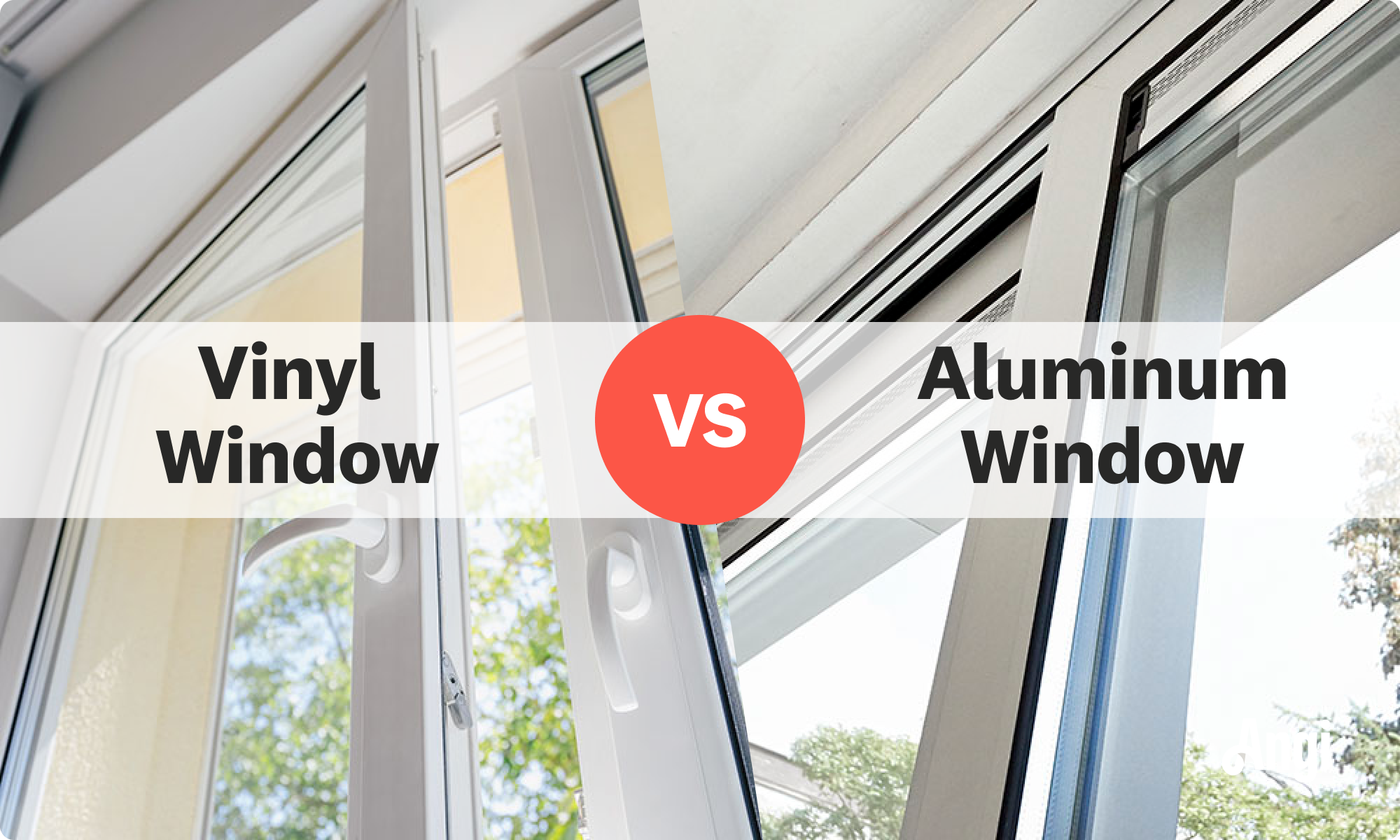
When it comes to choosing windows for your home, two popular options are vinyl and aluminum windows. Each type has its own set of characteristics that make them unique in terms of thermal insulation and overall performance.
Vinyl windows are made from PVC (polyvinyl chloride) material, which is known for its durability and low maintenance requirements. These windows are typically multi-chambered for better insulation and energy efficiency.
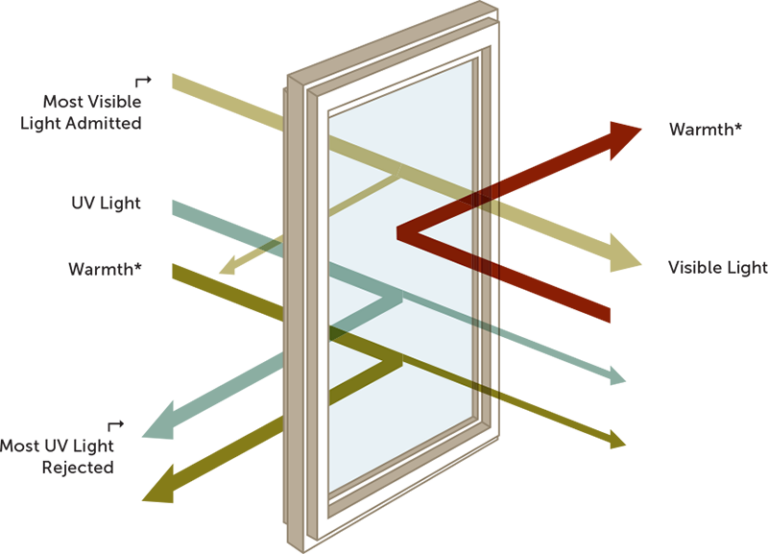
On the other hand, aluminum windows are constructed using aluminum frames, which are strong and lightweight. While aluminum is not as good an insulator as vinyl, advancements in technology have led to thermal break designs that improve their energy efficiency.
Vinyl and aluminum windows both offer different levels of thermal insulation due to their inherent properties. Let’s explore how each material provides insulation and compare their thermal conductivity.
Vinyl windows are known for their excellent thermal insulation properties. The material itself is a poor conductor of heat, which helps to prevent heat transfer between the interior and exterior of a building. Additionally, vinyl windows are often equipped with multiple chambers within the frame, which further enhances their insulation capabilities by trapping air and creating a barrier against temperature exchange.
Aluminum windows, on the other hand, are not as effective in terms of thermal insulation compared to vinyl windows. Aluminum is a good conductor of heat, which means that it can easily transfer heat between the inside and outside of a building.
This can lead to heat loss during the winter and heat gain during the summer, resulting in less energy efficiency compared to vinyl windows.
In terms of thermal conductivity, vinyl windows are superior to aluminum windows. Vinyl has a lower thermal conductivity than aluminum, which means that it is better at resisting heat transfer. This property makes vinyl windows more energy-efficient and helps to maintain a consistent indoor temperature throughout the year.
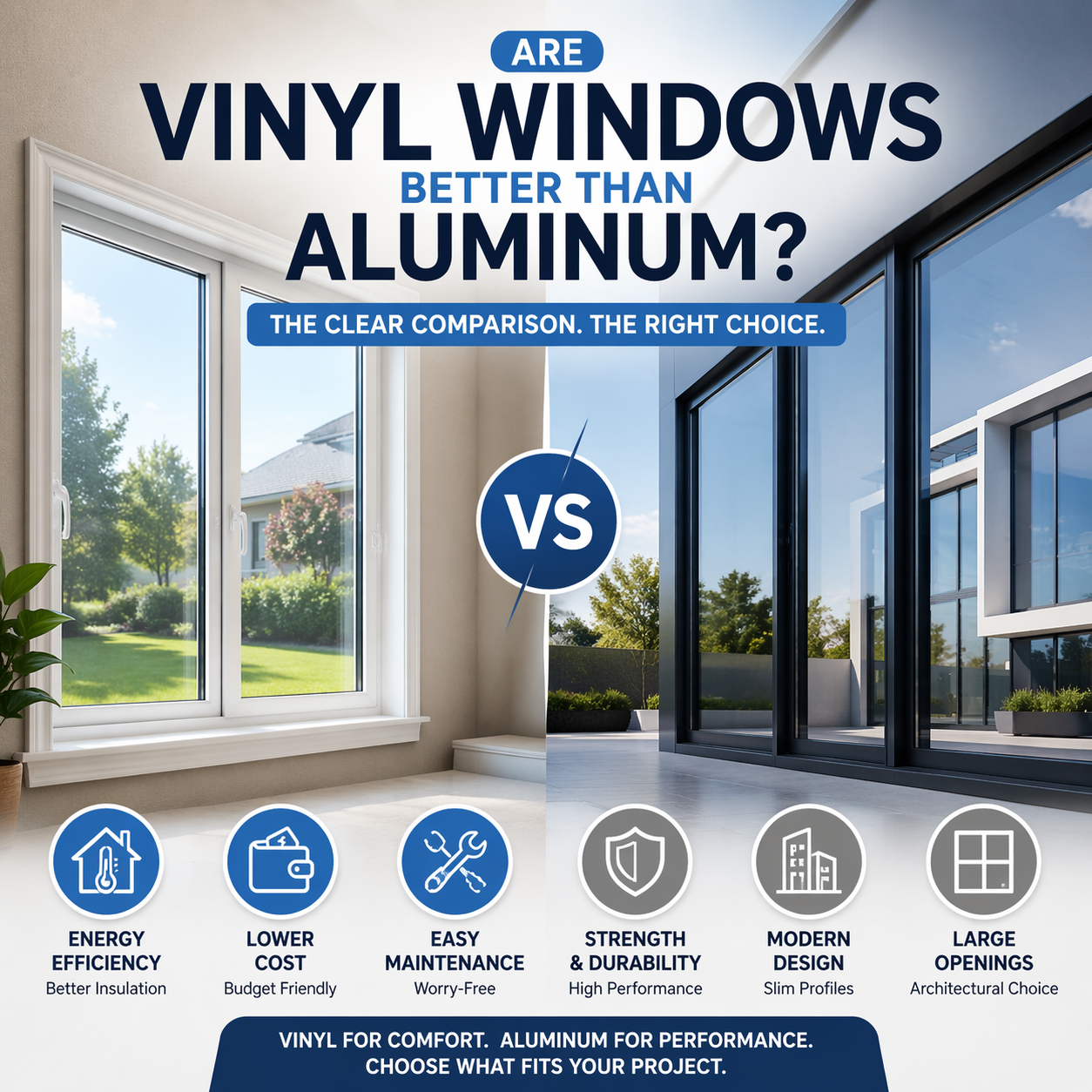
Vinyl and aluminum windows both play a significant role in contributing to energy efficiency in a building. Let’s delve into how each material impacts the overall energy consumption and costs associated with heating and cooling.
Vinyl windows are known for their excellent thermal insulation properties. The material itself does not conduct heat or cold easily, helping to maintain a consistent indoor temperature. This means that during the winter months, vinyl windows can help keep the heat inside, reducing the reliance on heating systems.
Similarly, in the summer, they can prevent the hot outdoor air from entering, thus lowering the need for air conditioning. The result is reduced energy consumption and lower heating and cooling costs for homeowners.
On the other hand, aluminum windows are not as effective in terms of thermal insulation compared to vinyl windows. Aluminum is a highly conductive material, meaning it can easily transfer heat and cold. This can lead to energy loss through the windows, causing the indoor temperature to fluctuate more easily.
As a result, homes with aluminum windows may require more energy to heat or cool the space, ultimately leading to higher energy bills.
The impact of energy efficiency on heating and cooling costs cannot be understated. By choosing vinyl windows over aluminum, homeowners can significantly reduce their energy consumption and save money in the long run. The improved thermal insulation provided by vinyl windows helps maintain a comfortable indoor environment throughout the year, without the need for excessive heating or cooling.
This not only benefits the homeowner’s wallet but also contributes to a more sustainable and eco-friendly living space.
When it comes to the maintenance and durability of vinyl and aluminum windows, there are some key differences to consider. Let’s delve into the specifics of each material to help you make an informed decision for your home.
Vinyl windows are known for their low maintenance requirements. They are resistant to rot, mold, and moisture damage, making them a popular choice for homeowners looking for hassle-free windows. To keep vinyl windows in top condition, regular cleaning with mild soap and water is usually sufficient.
Avoid using harsh chemicals or abrasive materials that could damage the vinyl surface.
Aluminum windows also have relatively low maintenance needs. They are resistant to rust and corrosion, which is a common issue with metal materials. Cleaning aluminum windows involves washing with a mild detergent and water to remove dirt and grime. Periodic checks for any signs of wear or damage are recommended to ensure the longevity of aluminum windows.
When it comes to durability, both vinyl and aluminum windows have their strengths. Vinyl windows are known for their long-lasting performance and resistance to elements like moisture and UV rays. They are less likely to warp, crack, or fade over time, making them a durable option for various climates.On the other hand, aluminum windows are also highly durable, with excellent structural integrity.
They are resistant to impact and provide stability in high-wind conditions. However, aluminum windows may be susceptible to corrosion in coastal areas or regions with high salt exposure.In conclusion, both vinyl and aluminum windows offer reliable durability with proper maintenance.
The choice between the two materials ultimately depends on your specific needs, budget, and aesthetic preferences.
When it comes to choosing between vinyl and aluminum windows, considering the environmental impact of production and recyclability is crucial in making an informed decision.
What are the maintenance requirements for vinyl windows?
Vinyl windows are relatively low maintenance, requiring occasional cleaning with mild soap and water to keep them looking their best.
How do aluminum windows contribute to energy efficiency?
Aluminum windows can be energy efficient when equipped with thermal breaks to reduce heat transfer.