Choosing the Best HVAC System: A Comprehensive Guide
When it comes to selecting the best HVAC system for your needs, there are various factors to consider. From different types available in the market to smart features and technologies, this guide covers everything you need to know to make an informed decision.

When it comes to HVAC systems, there are several types available in the market to cater to different needs and preferences. Let’s explore some of the most common options and their unique features.
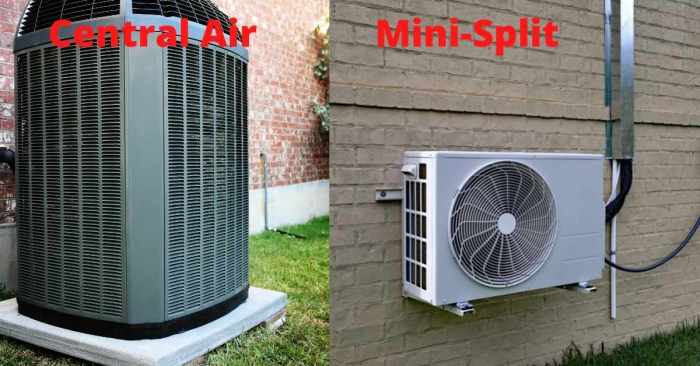
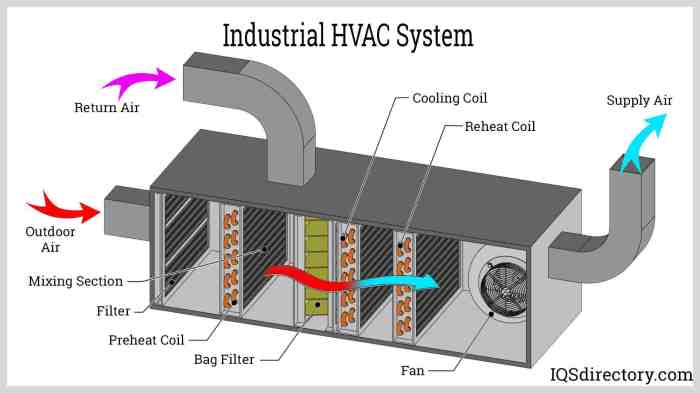
Centralized HVAC systems are typically found in larger buildings or homes and involve a network of ducts to distribute air throughout the space. On the other hand, ductless mini-split systems are more compact and offer individualized control for each room without the need for ductwork.
Geothermal HVAC systems utilize the stable temperature of the earth to heat and cool buildings, offering several advantages over traditional systems.
Geothermal systems can reduce energy consumption by up to 50% compared to traditional HVAC systems.
Geothermal systems have a longer lifespan and require less maintenance than traditional systems.
Geothermal systems produce fewer greenhouse gas emissions and use renewable energy sources.

When selecting the best HVAC system for your home or business, there are several crucial factors to consider to ensure optimal performance, energy efficiency, and overall cost-effectiveness.
Energy efficiency is a key consideration when choosing an HVAC system as it directly impacts your utility bills and environmental footprint. Opting for an energy-efficient system can result in significant cost savings over time and reduce your carbon footprint, making it a sustainable choice for the long run.
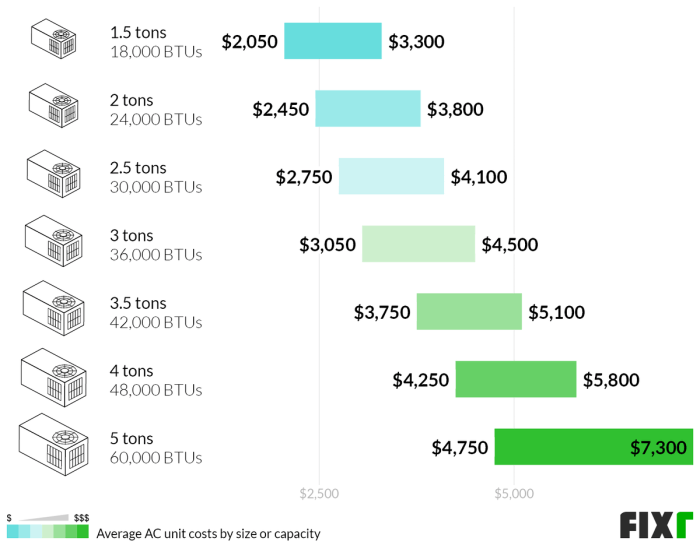
The size and capacity of the HVAC system play a crucial role in ensuring optimal performance. An undersized system will strain to meet the heating or cooling demands of the space, leading to inefficiency and increased wear and tear. On the other hand, an oversized system may cycle on and off frequently, resulting in poor humidity control and reduced comfort levels.
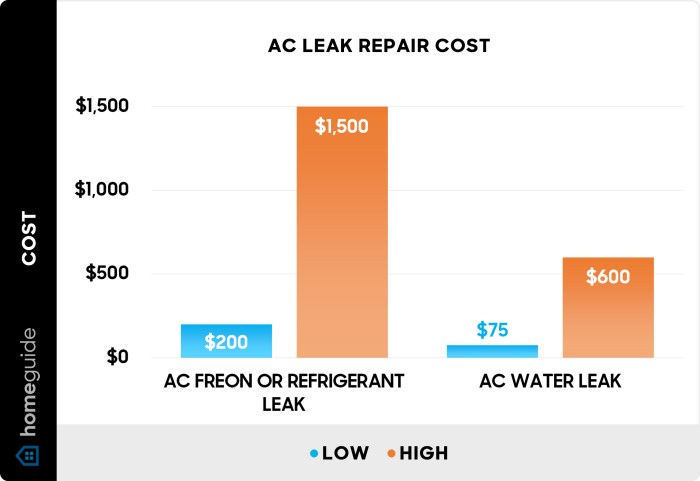
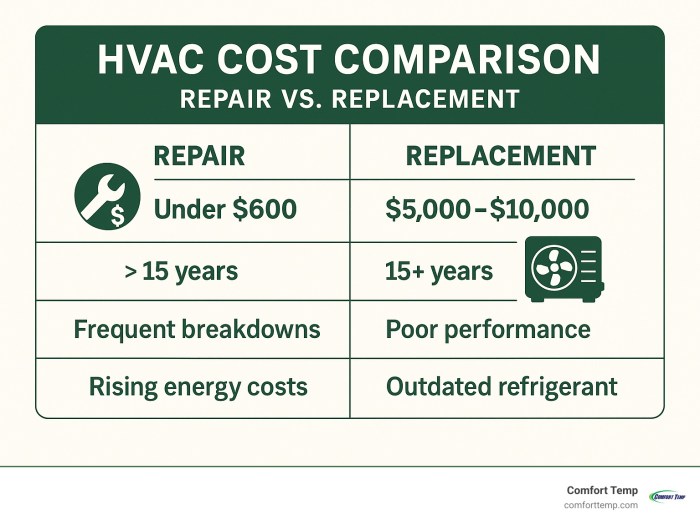
When choosing an HVAC system, it’s essential to consider factors such as cost, maintenance, and environmental impact. The initial cost of the system, along with installation and maintenance expenses, should be weighed against long-term energy savings. Additionally, selecting an eco-friendly system with minimal environmental impact can contribute to a greener and more sustainable living or working environment.

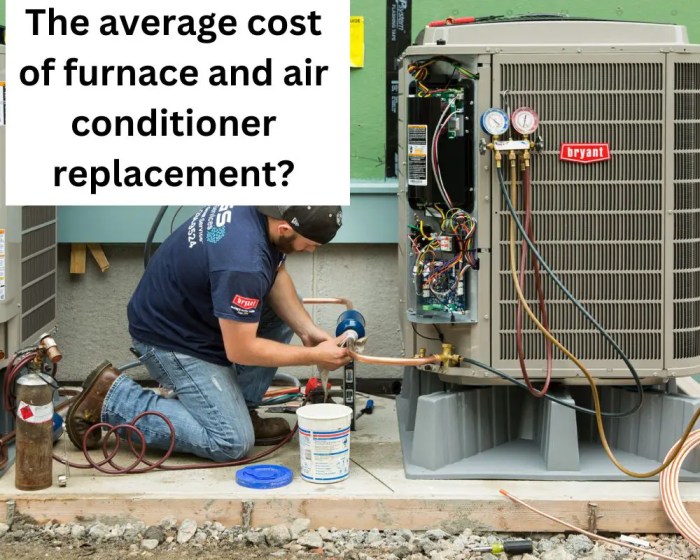
When it comes to HVAC systems, proper installation and regular maintenance are key to ensuring optimal performance and longevity. In this section, we will discuss the best practices for installation, routine maintenance tasks, and the importance of professional servicing.
Regular maintenance is essential to keep your HVAC system running smoothly and efficiently. Here are some step-by-step tasks you can perform to prolong the lifespan of your system:
Regular professional servicing and inspections are crucial for the overall health of your HVAC system. Professional technicians can:
Identify and address potential issues before they escalate into costly repairs.
Ensure that the system is operating at peak efficiency, saving you money on energy bills.
Extend the lifespan of your HVAC system through proper maintenance and care.
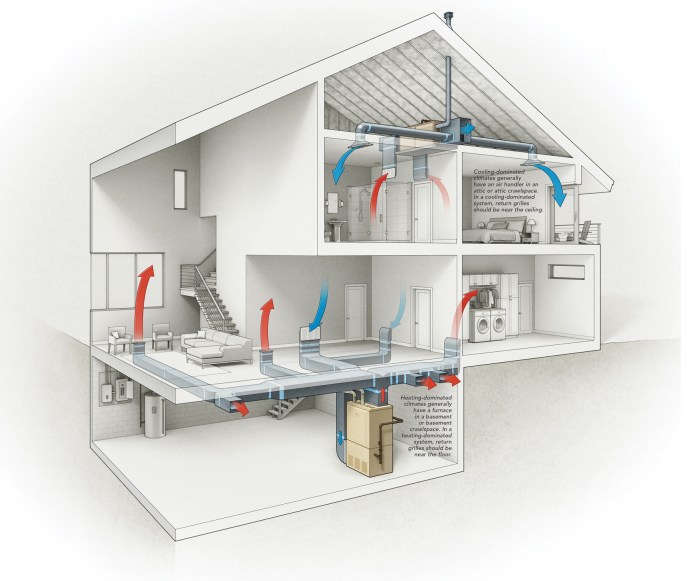
In today’s modern HVAC systems, there are several smart features and technologies that have revolutionized the way we control and optimize indoor comfort. From programmable thermostats to IoT integration, these advancements offer convenience, energy efficiency, and improved system performance.
Programmable thermostats allow users to set customized temperature schedules based on their daily routines, ensuring optimal comfort and energy savings. Zoning systems further enhance this by dividing the home into different zones, each with its thermostat for individualized control.
The integration of Internet of Things (IoT) technology in HVAC systems enables remote access and control via smartphones or other devices. This allows users to adjust settings, monitor energy usage, and receive maintenance alerts from anywhere, enhancing convenience and efficiency.
Energy-saving technologies like variable-speed motors adjust the system’s operation based on the heating or cooling demands, leading to improved efficiency and reduced energy consumption. These advanced features help optimize system performance while lowering utility bills.
In conclusion, finding the best HVAC system involves weighing various factors like energy efficiency, system size, and maintenance. By understanding these key aspects, you can ensure optimal performance and comfort in your living space.
What are the benefits of a geothermal HVAC system?
A geothermal HVAC system is more energy-efficient and environmentally friendly compared to traditional systems. It utilizes the constant temperature of the earth to heat and cool your home.
How important is system size when choosing an HVAC system?
The system size is crucial as an oversized or undersized unit can lead to inefficiency and discomfort. It’s essential to get the right size based on your home’s square footage and insulation.
What smart features can enhance modern HVAC systems?
Smart features like programmable thermostats and zoning systems allow for better control and energy savings. They enable customized heating and cooling based on your preferences.