How Much Does AC Repair Cost: A Comprehensive Guide
Exploring the intricacies of AC repair costs opens up a world of insights for homeowners and businesses alike. From understanding the factors that influence pricing to uncovering tips for saving money, this guide delves deep into the realm of AC repairs with a blend of expertise and practicality.
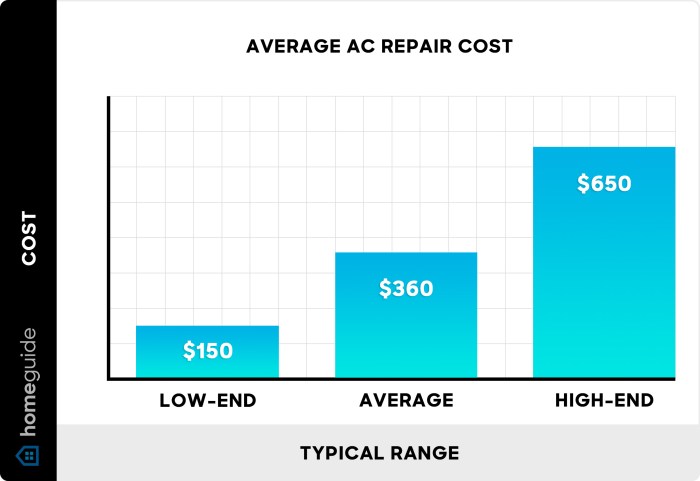
When it comes to AC repair costs, several factors can influence how much you might end up paying for the service. Understanding these factors can help you anticipate potential expenses and make informed decisions.
The type of repair required for your AC system is a significant factor in determining the cost. Simple fixes like replacing a capacitor or a faulty thermostat may be relatively inexpensive compared to more complex issues like compressor failure or refrigerant leaks.
The complexity of the repair directly impacts the overall cost.
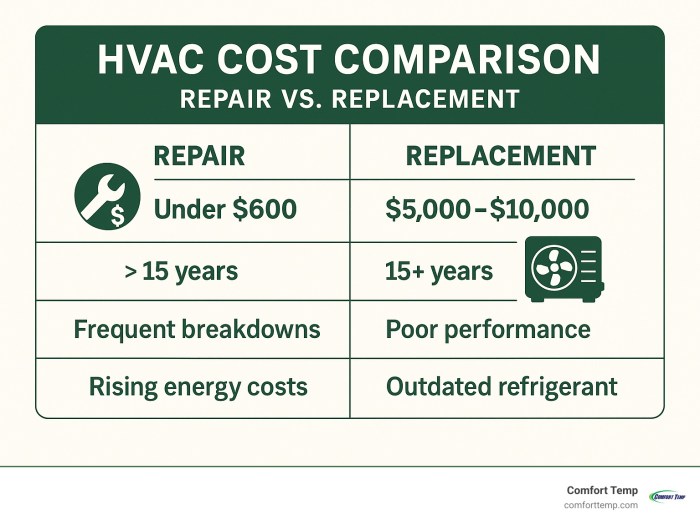
The age and condition of your AC unit can also impact repair costs. Older units may require specific parts that are no longer in production, leading to higher expenses. Additionally, units that have not been properly maintained may have more wear and tear, requiring extensive repairs that can be costly.
The extent of damage to your AC system plays a crucial role in determining repair costs. Minor issues like clogged filters or loose wiring may be quick and affordable to fix. In contrast, major damage such as a damaged compressor or a faulty condenser coil can result in a more expensive repair bill.
The service provider you choose and your location can also affect AC repair costs. Different companies may have varying pricing structures, and labor rates can differ based on where you are located. Additionally, availability of parts and local market conditions can impact the overall cost of repairs.
Seasonal demand for AC repair services can lead to fluctuations in pricing. During peak seasons when many people are using their AC units, repair companies may increase their rates due to high demand. Planning repairs during off-peak times could potentially save you money.
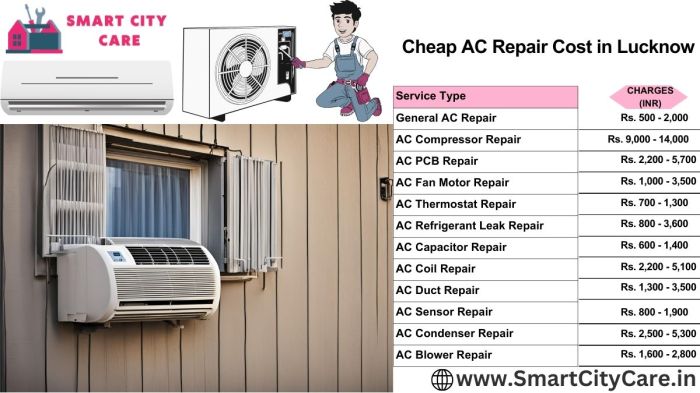
When it comes to AC repairs, the costs can vary depending on the type of repair needed. Understanding the average cost range for common AC repairs can give you an idea of what to expect when facing issues with your air conditioning system.Typical costs for common AC repairs include compressor replacement, refrigerant recharge, capacitor issues, and more.
The price range for these repairs can vary based on the severity of the problem and the specific components that need to be addressed.
Compressor replacement is one of the more expensive AC repairs, with costs ranging from $1,500 to $2,500 on average. This is because the compressor is a crucial component of the AC system and requires specialized labor and parts for replacement.
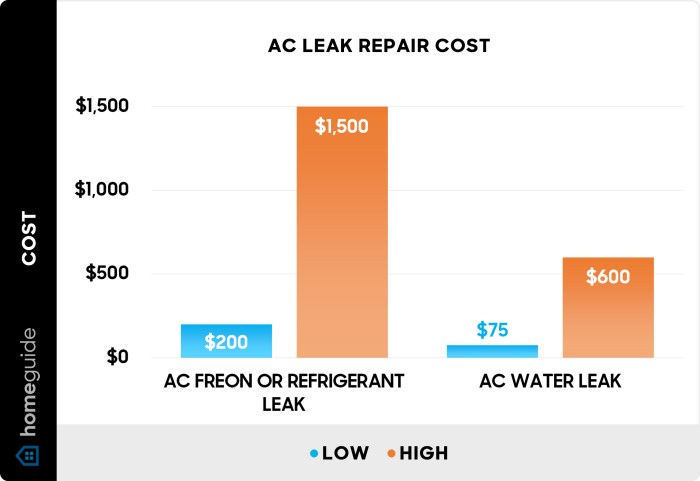
A refrigerant recharge is a common AC repair that typically costs between $200 to $400. The price can vary based on the amount of refrigerant needed and any additional leak repairs that may be necessary.
Capacitor issues are relatively common and can cost anywhere from $150 to $350 to repair. Capacitors are essential for starting the AC unit, so it’s important to address any issues promptly to avoid further damage to the system.Understanding the average cost range for common AC repairs can help you budget for unexpected expenses and make informed decisions when it comes to maintaining your air conditioning system.
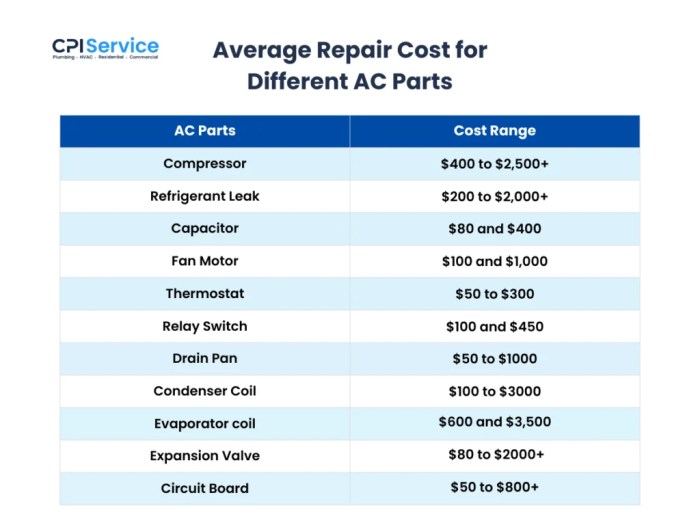
When it comes to AC repairs, there are additional costs to consider beyond the average repair expenses. These extra expenses can include service fees, diagnostic charges, and the cost of replacement parts. It’s essential to be aware of these potential costs to avoid any surprises during the repair process.
Service fees are charges that HVAC companies may apply for the labor involved in repairing your AC unit. Additionally, diagnostic charges are fees for the technician’s time to identify the issue with your system. These costs can vary depending on the company you hire and the complexity of the repair needed.
In some cases, your AC repair may require the replacement of certain parts, such as the compressor, capacitor, or fan motor. The cost of these replacement parts can significantly impact the total repair bill. It’s essential to inquire about the cost of parts upfront and ensure they are of high quality to avoid future issues.
Regular maintenance
Schedule routine maintenance for your AC unit to prevent major breakdowns and costly repairs.
Get multiple quotes
Before committing to a repair service, obtain estimates from different companies to compare costs and services.
DIY repairs
If you have the skills and knowledge, consider tackling minor repairs yourself to save on labor costs.
While DIY repairs can save you money on labor costs, it’s crucial to assess your skills and the complexity of the repair needed. Some repairs may require specialized tools and expertise best left to professionals. Professional services ensure the job is done correctly and may offer warranties on their work, providing peace of mind for the long term.

When it comes to saving money on AC repairs, there are several strategies you can implement to reduce costs without compromising on quality. By focusing on preventive maintenance measures and regular servicing, you can avoid expensive repairs in the future and cut down on long-term expenses.
One of the best ways to save money on AC repairs is to invest in regular maintenance. By scheduling annual servicing with a professional technician, you can catch any potential issues early on and prevent costly breakdowns.
Replacing air filters regularly is a simple yet effective way to improve the efficiency of your AC unit and prevent it from overworking. Clogged filters can lead to poor performance and higher energy bills, so make sure to change them every 1-3 months.
Ensuring that the outdoor unit of your AC system is clean and free from debris can help maintain optimal airflow and prevent strain on the system. Regularly remove any leaves, dirt, or other obstructions to improve efficiency and extend the lifespan of your unit.
Being mindful of your thermostat settings can also contribute to saving money on AC repairs. Avoid setting the temperature too low, as this can lead to increased wear and tear on the system. Opt for energy-saving settings and consider using a programmable thermostat to regulate cooling more efficiently.
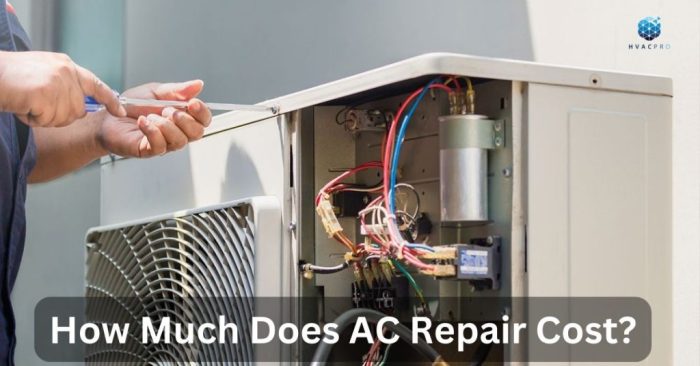
In conclusion, navigating the landscape of AC repair costs demands a keen eye for detail and a willingness to explore cost-effective solutions. By implementing the tips and insights shared in this guide, individuals can approach AC repairs with confidence and financial savvy.
What factors can influence AC repair costs?
Factors such as the type of repair needed, the severity of the issue, and the brand of the AC unit can all impact repair costs.
What are some common additional costs to consider during AC repairs?
Additional costs may include service fees, diagnostic charges, and the cost of replacement parts.
How can one save money on AC repairs?
Strategies like implementing preventive maintenance measures and scheduling regular servicing can help reduce long-term repair expenses.