The Importance of Industrial HVAC Maintenance: A Comprehensive Guide
Regular maintenance of industrial HVAC systems is crucial for ensuring the efficient operation of a facility. By keeping these systems in optimal condition, businesses can avoid costly downtime, maintain a comfortable working environment, and improve overall productivity.
Neglecting HVAC maintenance in an industrial setting can lead to a range of negative consequences. These include decreased energy efficiency, higher utility costs, poor indoor air quality, equipment breakdowns, and even safety hazards for employees. Regular maintenance helps prevent these issues and ensures the smooth functioning of HVAC systems.
Routine maintenance not only helps prevent costly repairs but also extends the lifespan of industrial HVAC systems. By regularly inspecting, cleaning, and servicing these systems, businesses can avoid premature wear and tear, prolonging the overall lifespan of the equipment. This proactive approach can save money in the long run and ensure the continued operation of essential HVAC systems.
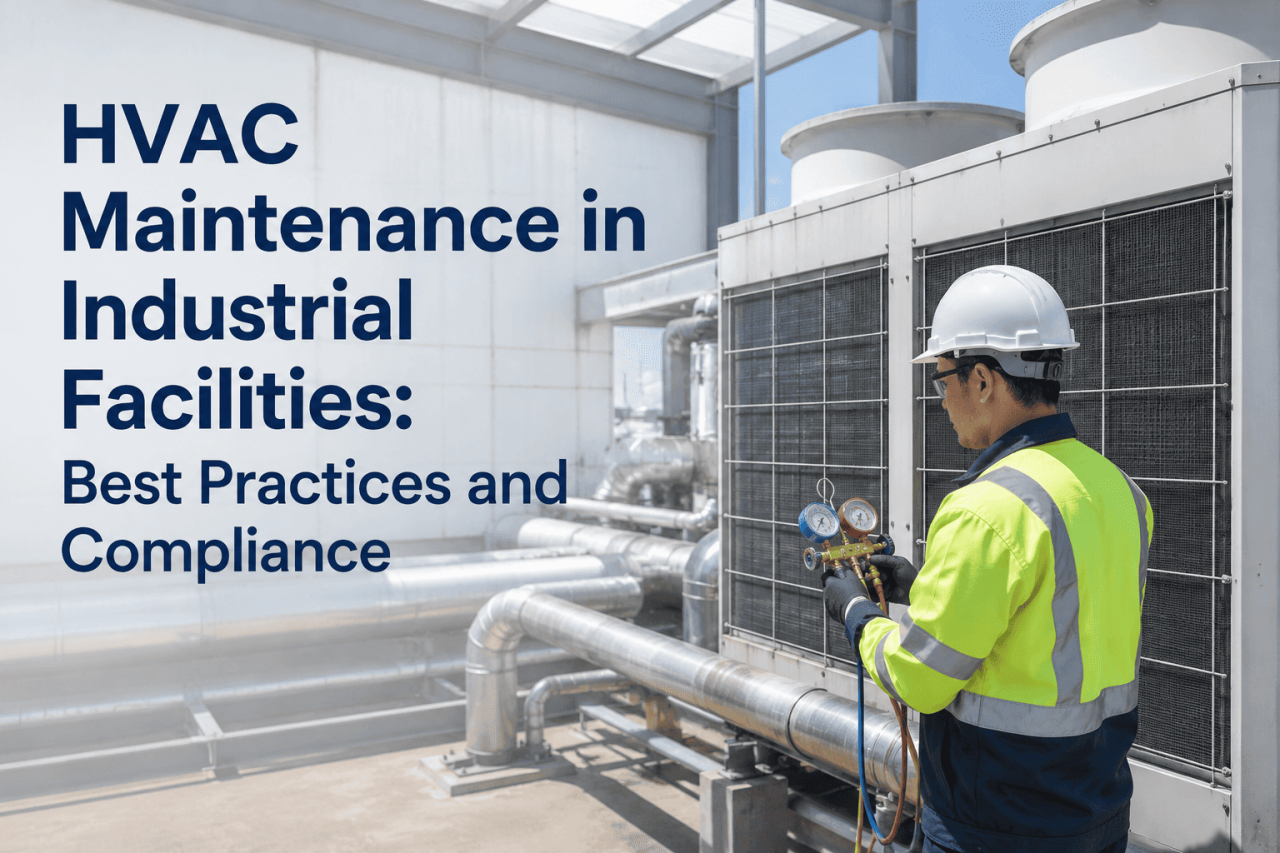
Industrial HVAC systems are complex setups that consist of several key components working together to regulate temperature and air quality in industrial facilities. Understanding the functions of each component is crucial for ensuring the efficiency and effectiveness of the HVAC system as a whole.
The Air Handling Unit is a critical component of an industrial HVAC system responsible for circulating and filtering air. It consists of a blower, heating and cooling elements, filters, dampers, and sound attenuators. The AHU conditions the air by heating or cooling it and then distributing it throughout the facility.
The chiller is another essential component of an industrial HVAC system that is responsible for cooling the air. It uses refrigeration technology to remove heat from the air and maintain a comfortable temperature within the facility. Chillers are typically used in larger industrial settings to cool water or air for distribution through the HVAC system.
Ductwork refers to the network of channels that carry conditioned air throughout the industrial facility. Properly designed and installed ductwork ensures efficient airflow and distribution of air to different areas within the facility. It plays a crucial role in maintaining consistent temperatures and air quality.
The thermostat is the control center of the HVAC system, allowing users to set and regulate the desired temperature within the facility. It monitors the temperature and signals the HVAC system to heat or cool the air as needed. A properly functioning thermostat is essential for maintaining comfort and energy efficiency.
The filtration system within an industrial HVAC system is responsible for removing dust, dirt, and other contaminants from the air. Clean filters ensure that the air circulating within the facility is free from pollutants and allergens, contributing to better indoor air quality and a healthier work environment.
Exhaust fans are used to remove stale air, odors, and contaminants from the industrial facility. They help maintain proper ventilation and air quality by expelling indoor pollutants to the outside. Exhaust fans are essential for creating a safe and comfortable working environment for employees.
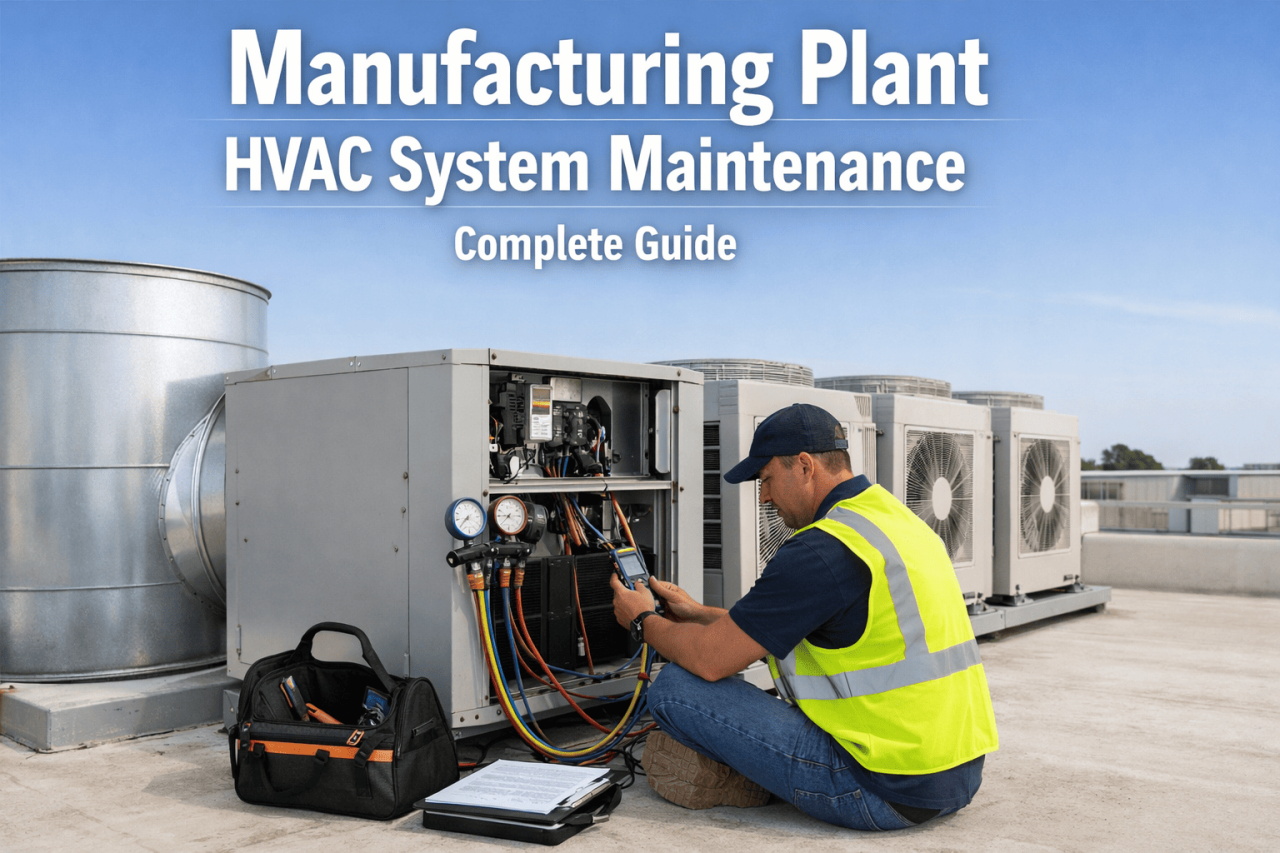
Implementing scheduled maintenance programs for industrial HVAC systems offers numerous advantages. One key benefit is the ability to proactively address potential issues before they escalate, leading to costly repairs and downtime. By regularly servicing and inspecting the system, maintenance professionals can identify and fix small problems early on, preventing them from turning into major issues.
Scheduled maintenance, also known as preventive maintenance, involves routine inspections, cleaning, and adjustments to keep the HVAC system running smoothly. This proactive approach helps in detecting and resolving issues before they impact the system’s performance. On the other hand, reactive maintenance, which involves fixing problems only when they occur, can lead to unexpected breakdowns, costly repairs, and operational disruptions.
Scheduled maintenance plays a crucial role in avoiding expensive repairs and downtime in industrial operations. By conducting regular inspections and tune-ups, maintenance professionals can ensure that the HVAC system operates efficiently and reliably. This proactive approach helps in extending the lifespan of the equipment, reducing energy consumption, and maintaining a comfortable indoor environment for employees.
Maintaining high indoor air quality in industrial workplaces is crucial for the health and well-being of employees, as well as for the efficiency of operations. Poor air quality can lead to various health issues such as respiratory problems, allergies, and fatigue, impacting productivity and increasing absenteeism.
Regular HVAC maintenance plays a vital role in ensuring optimal air quality in industrial settings. Clean filters, ducts, and components help in removing contaminants, dust, and pollutants from the air, preventing them from circulating within the facility. Properly maintained HVAC systems also regulate humidity levels, reducing the risk of mold growth and improving overall air quality.
Poor indoor air quality in industrial facilities can have severe health and safety implications. Exposure to pollutants and contaminants in the air can lead to respiratory issues, aggravate existing health conditions, and increase the risk of accidents due to decreased cognitive function and fatigue.
In extreme cases, poor air quality can result in serious illnesses and long-term health effects for employees.
Why is regular HVAC maintenance important?
Regular maintenance is crucial to ensure the efficient operation of industrial facilities and prolong the lifespan of HVAC systems.
What are the benefits of scheduled maintenance programs?
Scheduled maintenance programs help in avoiding costly repairs, downtime, and maintaining optimal air quality in industrial settings.