Exploring Exterior Siding Repair: A Comprehensive Guide
Maintaining the exterior siding of a building is crucial for both aesthetic appeal and structural integrity. Proper maintenance can prevent costly damage and prolong the lifespan of the siding.Common types of damage that occur to exterior siding include cracks, warping, rotting, fading, and mold growth.
These issues can not only compromise the appearance of the building but also lead to water infiltration and structural damage if left untreated.It is necessary to repair exterior siding when you notice signs of damage such as loose or missing pieces, water stains on the siding, or an increase in energy bills due to poor insulation.
Regular inspections and timely repairs can help prevent more extensive damage in the future.
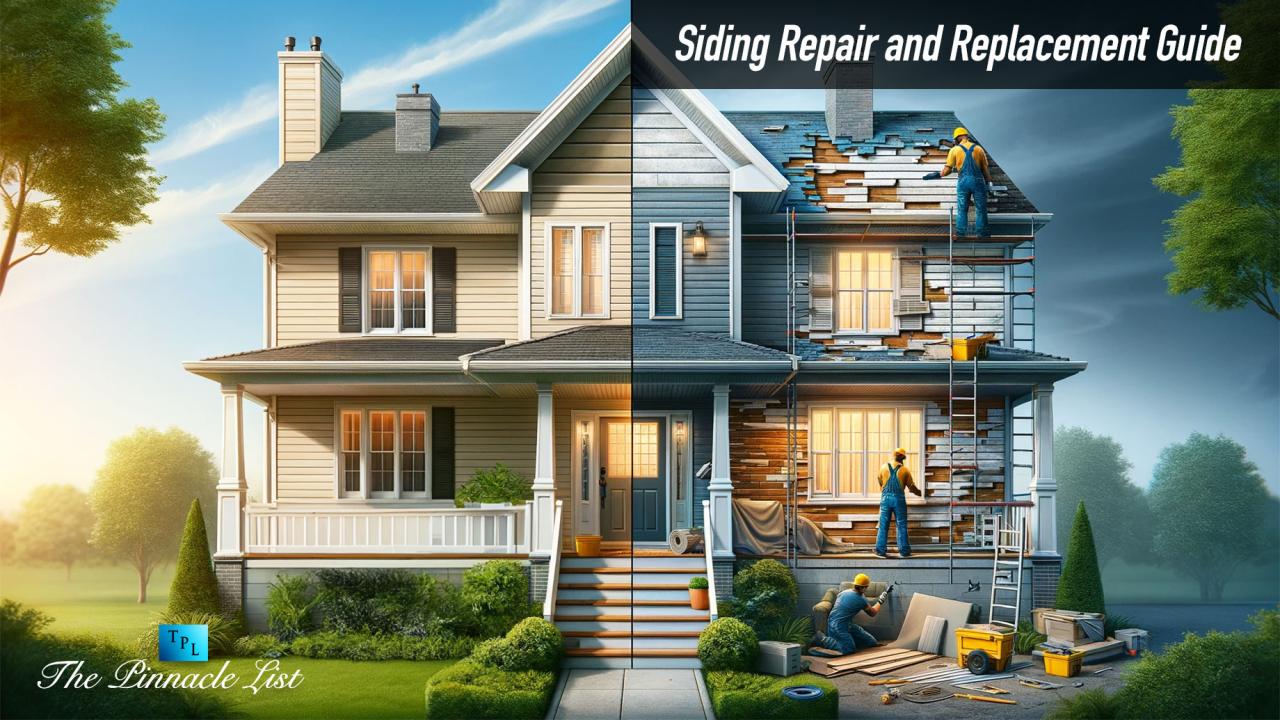
When it comes to exterior siding materials, there are various options available to homeowners. Each material has its own set of pros and cons, and the ideal choice depends on factors such as climate, budget, and maintenance preferences.
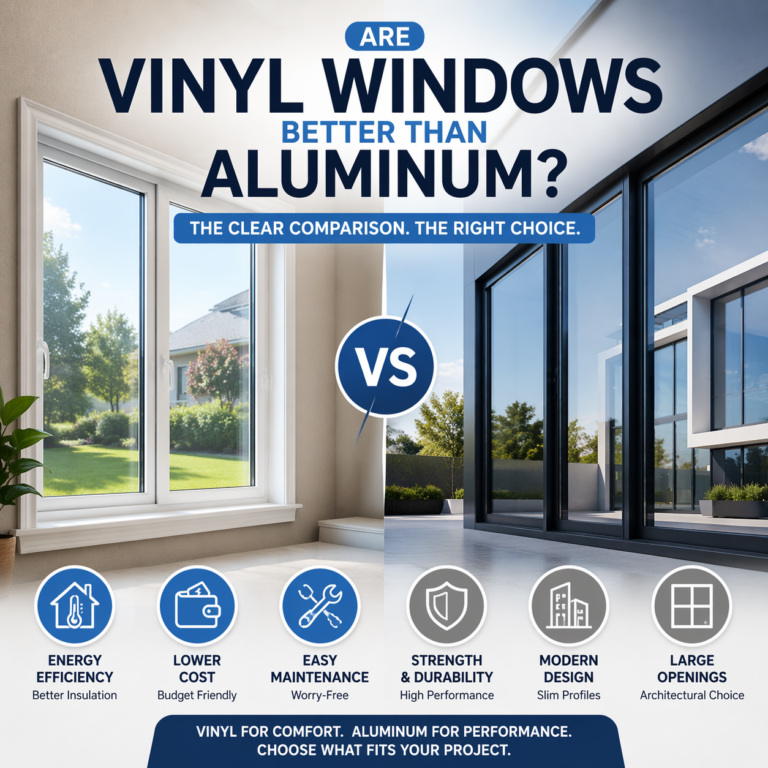
Vinyl siding is one of the most popular choices for exterior siding due to its affordability and low maintenance requirements. It is available in a wide range of colors and styles, making it a versatile option for many homes. However, vinyl siding can crack or fade over time, especially in extreme weather conditions.
Fiber cement siding is a durable and long-lasting option that can mimic the look of wood or stucco. It is resistant to rot, fire, and pests, making it a great choice for homeowners looking for low-maintenance siding. However, fiber cement siding can be more expensive than other materials, and installation may require professional help.
Wood siding offers a natural and timeless look that can enhance the curb appeal of a home. Cedar and redwood are popular choices for wood siding due to their natural resistance to rot and insects. However, wood siding requires regular maintenance, such as painting or staining, to prevent rot and decay.
Aluminum siding is a lightweight and durable option that is resistant to rust and insects. It is easy to install and can be painted in a variety of colors. However, aluminum siding can dent easily and may not offer the same level of insulation as other materials.
Brick siding is a classic and durable option that can last for decades with minimal maintenance. It offers excellent insulation and fire resistance, making it a popular choice for many homeowners. However, brick siding can be costly to install and repair, and it may not be suitable for all architectural styles.
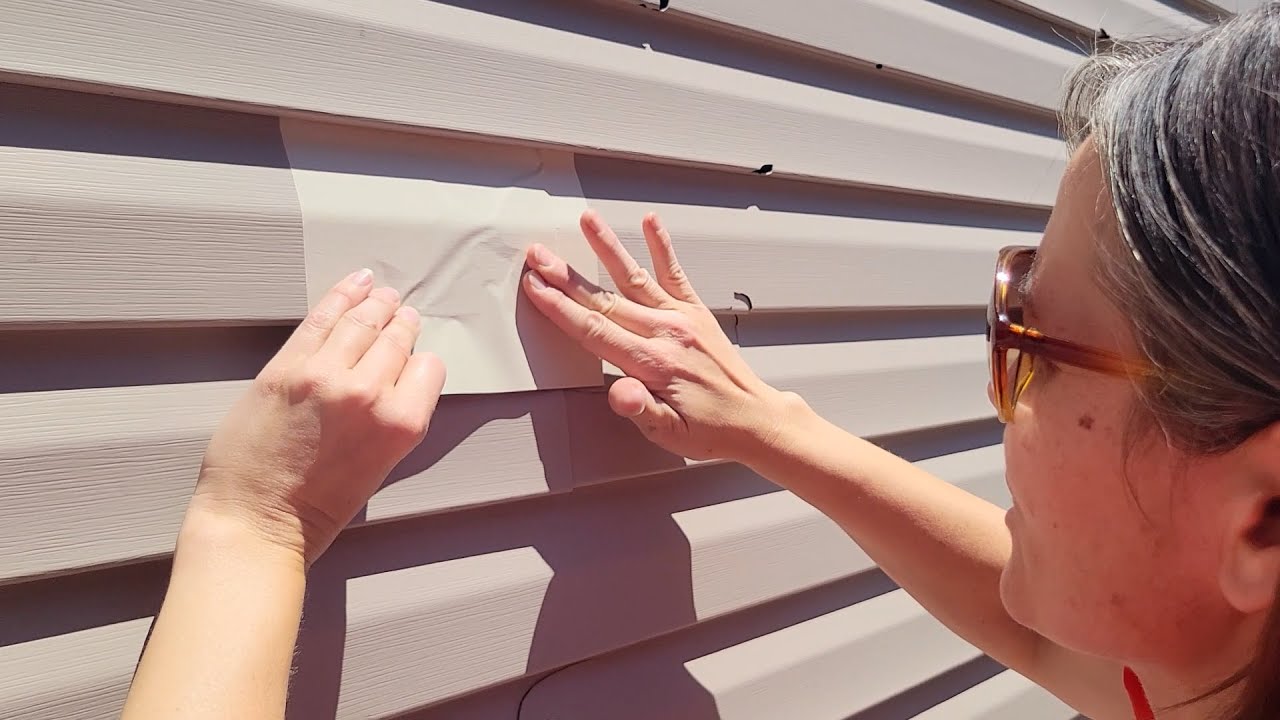
When it comes to exterior siding repair, the first step is to inspect the siding for any signs of damage. This involves a thorough examination of the entire surface to identify areas that need attention.
In this section, we will cover step-by-step repair techniques for common siding issues like cracks or warping, how to replace damaged siding panels, and painting and finishing techniques after repairs.
When it comes to exterior siding repair, homeowners often face the dilemma of whether to tackle the project themselves or hire a professional. Each option has its own set of benefits and drawbacks, so it’s important to weigh your choices carefully before making a decision.DIY siding repair can be a cost-effective solution for those with some experience in home improvement projects.
It allows homeowners to save money on labor costs and gives them the satisfaction of completing a project on their own. However, DIY repairs may lack the expertise and precision that a professional contractor can provide, potentially leading to subpar results and the need for costly fixes down the line.
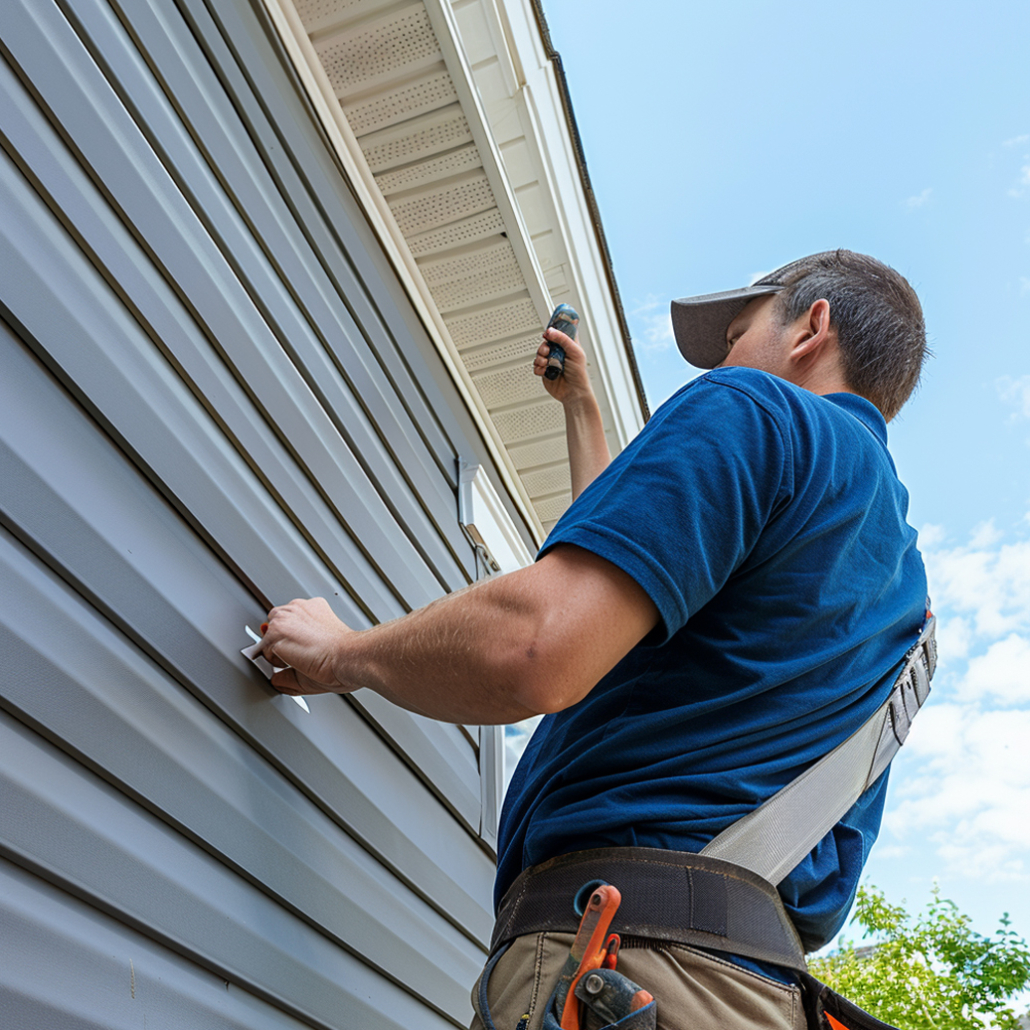
Regular maintenance is essential to prevent future damage to exterior siding. By following these maintenance tips, you can prolong the lifespan of your siding and keep your home looking great.
When it comes to exterior siding repair, considering the costs involved is crucial to planning and executing a successful project. From materials to labor, various factors contribute to the overall expenses of repairing your home’s siding. Here, we will break down the costs, compare different materials and techniques, and provide tips for budgeting and saving on siding repair projects.
Repairing exterior siding can involve several costs, including materials, labor, and any additional tools or equipment needed for the job. The extent of the damage, the type of siding material, and the size of the project will all play a role in determining the overall cost.
When it comes to repairing exterior siding, different materials and techniques can impact the overall cost of the project. For example, vinyl siding may be more affordable than wood siding, but the repair techniques and labor costs can vary significantly between the two.
It’s essential to compare the costs of different materials and techniques to find the most cost-effective solution for your specific needs.
Planning ahead and budgeting for your exterior siding repair project can help you save money in the long run. Consider getting multiple quotes from contractors, explore DIY options for simple repairs, and prioritize maintenance to prevent costly damages in the future.
By being proactive and strategic with your approach, you can reduce the overall costs of exterior siding repair and ensure a well-maintained home exterior.
What are some common types of damage that occur to exterior siding?
Common types of damage include cracks, warping, mold growth, and fading of paint or finish.
When is it necessary to repair exterior siding?
It is necessary to repair exterior siding when you notice any visible damage that compromises the integrity or aesthetics of your home’s exterior.
What are the benefits of hiring a professional for siding repair?
Professionals bring expertise, access to specialized tools, and ensure high-quality repairs that last longer compared to DIY methods.