Windows Doors Replacement: Maximizing Energy Efficiency in Modern Architecture
Energy efficiency plays a crucial role in modern architectural design as it not only reduces energy consumption but also promotes sustainability in buildings. One key aspect of maximizing energy efficiency is through the use of energy-efficient windows and doors.
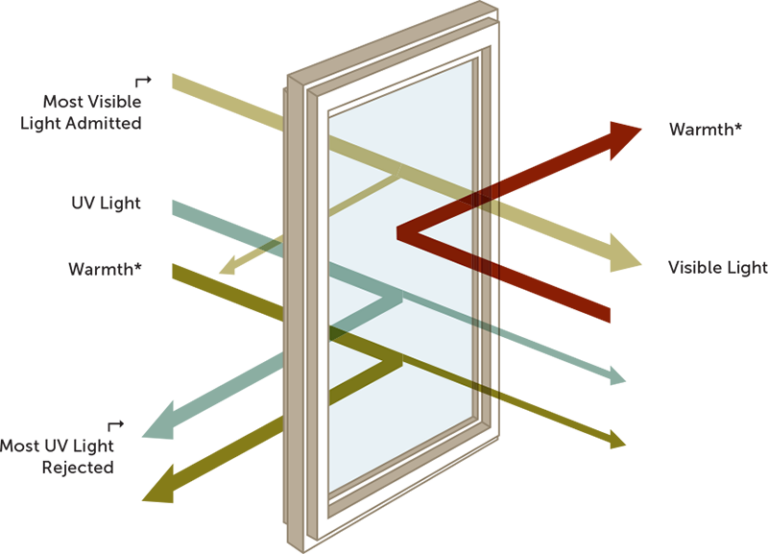
Energy-efficient windows and doors help reduce the overall energy consumption of a building by minimizing heat loss in winter and heat gain in summer. This not only lowers utility bills for occupants but also decreases the carbon footprint of the building, contributing to a more sustainable environment.

When it comes to maximizing energy efficiency in modern architecture, choosing the right windows and doors is crucial. Energy-efficient options not only help reduce energy consumption but also enhance the overall sustainability of a building.
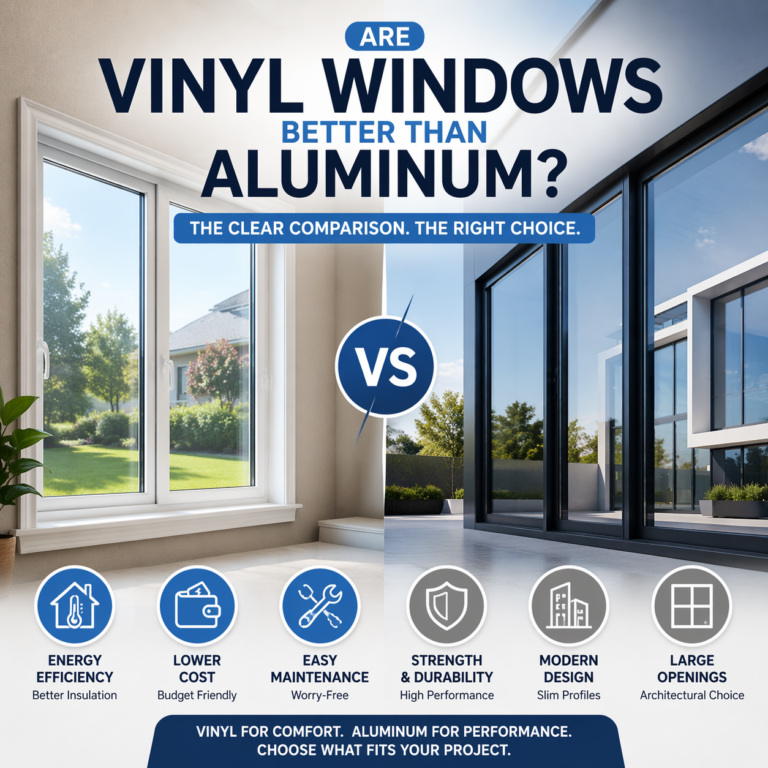
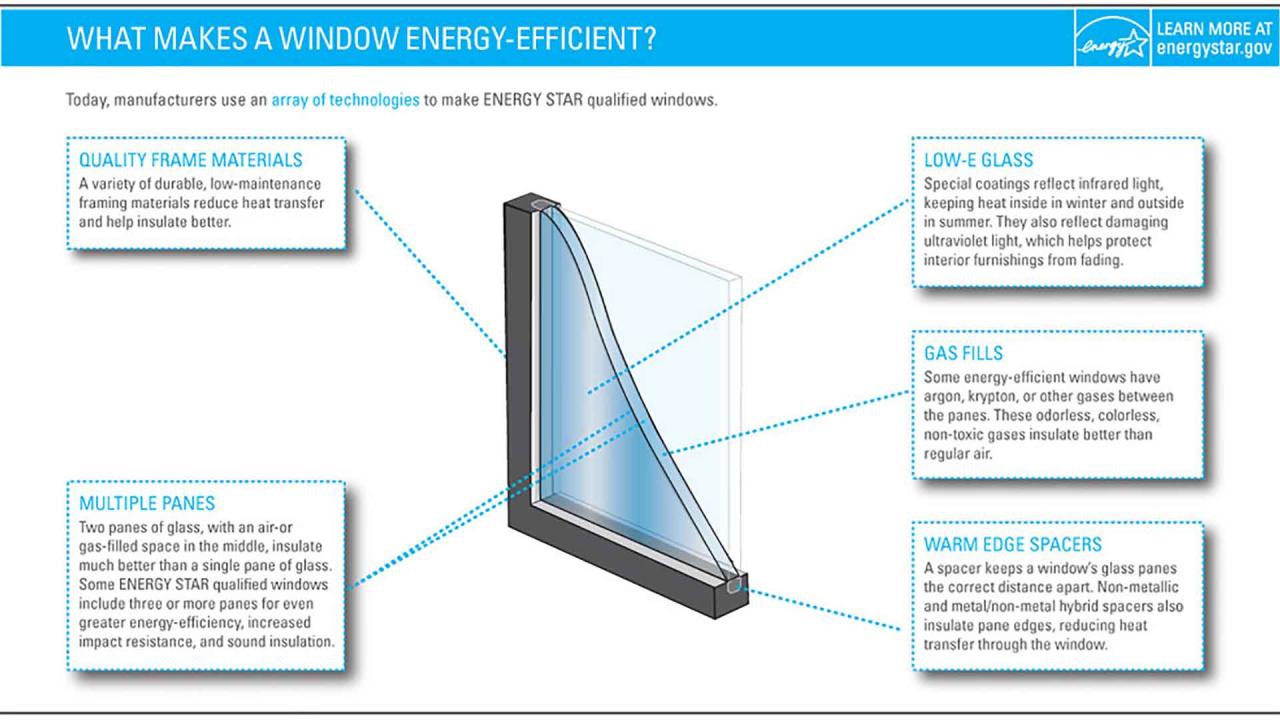
When it comes to energy-efficient windows and doors, the choice of materials plays a crucial role in determining their overall performance. The right materials can help improve insulation, reduce heat transfer, and enhance the energy efficiency of a building.
Choosing the right materials for energy-efficient windows and doors can significantly impact a building’s overall energy performance. High-quality materials with good insulation properties can help reduce heat loss, minimize air leakage, and lower energy consumption for heating and cooling.
Proper installation techniques play a crucial role in maximizing the energy efficiency of windows and doors in modern buildings. When installed correctly, energy-efficient windows and doors can significantly reduce heat loss, improve insulation, and enhance overall energy performance.
Weather-stripping and insulation are key components in enhancing the energy efficiency of window and door replacements. Weather-stripping helps to seal any gaps or leaks around windows and doors, preventing air infiltration and heat loss. Insulation, on the other hand, helps to reduce heat transfer through windows and doors, making the building more energy-efficient.
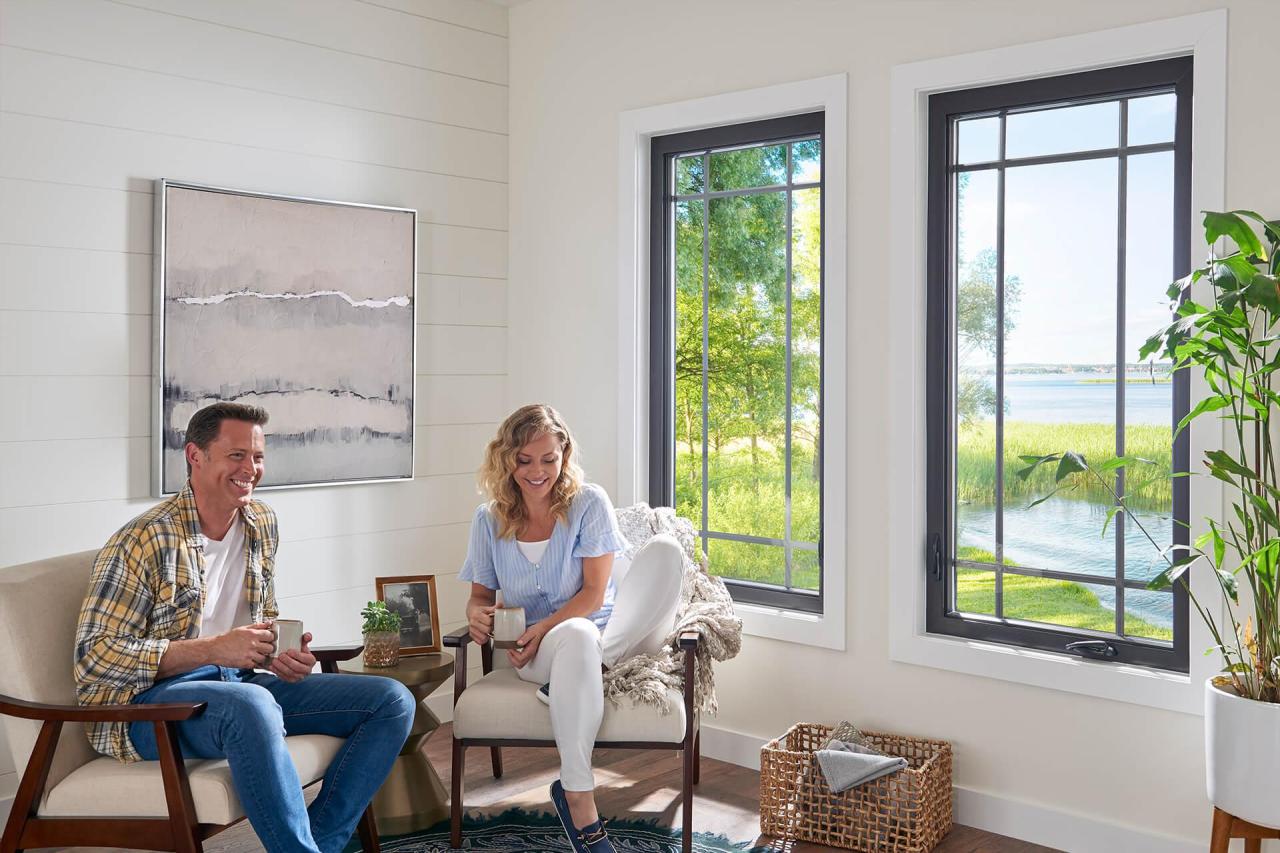
Windows and doors have come a long way in terms of technological advancements, especially when it comes to energy efficiency. The integration of smart features and automation has revolutionized the way we optimize energy usage in modern architecture.
Smart glass technology is a prime example of innovation in energy-efficient windows. This type of glass can change its properties based on external factors such as sunlight intensity or temperature. By automatically adjusting tint levels, smart glass can help regulate indoor temperature and reduce the need for heating or cooling systems.
Automated control systems for windows and doors allow for precise management of ventilation, natural light, and temperature. These systems can be programmed to open or close windows based on specific conditions, maximizing energy efficiency by reducing the reliance on artificial lighting and HVAC systems.
Many energy-efficient windows and doors now come equipped with sensors that can detect changes in environmental conditions. These sensors can trigger actions like adjusting blinds, activating ventilation systems, or notifying occupants to optimize energy usage and maintain a comfortable indoor environment.
Innovative insulation materials are being developed to enhance the energy efficiency of windows and doors. From aerogels to vacuum-sealed panels, these high-tech materials help minimize heat transfer and improve overall thermal performance, contributing to reduced energy consumption in modern buildings.
What are some key benefits of energy-efficient windows and doors?
Energy-efficient windows and doors can reduce energy costs, improve comfort levels, enhance sustainability, and increase the overall value of a building.
How do materials impact the energy efficiency of windows and doors?
The materials used in manufacturing windows and doors play a crucial role in determining their energy efficiency. Opting for sustainable materials can significantly enhance the overall performance of replacements.
What installation techniques are recommended for maximizing energy efficiency?
Proper installation practices, including the use of weather-stripping and insulation, are essential for optimizing the energy performance of windows and doors in modern buildings.